
EAM Fast Track: Guideline
Authors Vincent Jaenisch · Viet Duc Le
Executive Summary
This EAM Fast Track Guide is intended for CIOs and Enterprise Architects. It is valuable if your IT organization:
- Wants to reflect on its EAM activities in general
- Uses an EAM tool or methodology whose operational costs outweigh its benefits
- Does not yet utilize Enterprise Architecture Management (EAM)
At Bee360, we believe that all EAM activities must generate tangible value, primarily through integration with other processes (such as demand management). This is more valuable than maintaining an extensive EAM practice, with many documentation requirements.
On the following pages, this guide explains how to build a lean, interconnected EAM in eight concrete steps within just a few weeks, illustrated with practical examples and expert advice. The methods described can be used even if you are not using Bee360 (yet).
Why Enterprise Architecture Management and Why a "Fast Track"?
Enterprise Architecture Management - Definition and Key Functions
It is no secret that the business environment is becoming increasingly dynamic and complex. McKinsey’s latest Resilience Pulse Check states that global volatility and risks continue to rise, increasing the pressure on organizations to adapt. To cope with this development, business and IT must work together closely. This is where EAM helps, which can be defined as a process that companies use to standardise and organise their IT infrastructure in order to align it with business objectives. (cio.com, 2022)
The definition becomes more tangible when we look at the application areas of EAM:
IT Strategy and Business Alignment Areas of action for the IT strategy are determined and quantified (e.g. target architecture) from EA data. This data also helps to link the IT strategy with the business strategy (e.g. ‘What do the scaling requirements from the business actually mean for the IT strategy?’). EAM also helps to derive and plan the steps required to implement the strategy and track them in the system.
Transparency on Risks and Bottlenecks EAM helps to provide an overview of applications, technologies, processes and their dependencies. This allows risks and bottlenecks to be recognised and resolved at an early stage.
Data-Driven Decision Making EAM provides a centralised database on the IT and business architecture. This allows for well-founded and data-based decisions to be made. A good EAM is characterised by the fact that it not only documents this information in isolation, but also allows it to flow into other processes in a value-adding manner (demand management, application management, etc.).
Organizing Responsibilities Segmenting the organisation into domains, skills, processes, applications, etc. inevitably raises the question of responsibilities. Is there a central, company-wide owner or regional responsibility? Effects on effective demand and portfolio management can already be deduced here. If neglected, mismanagement is also inevitable.
It is clear from the areas of application that EAM can make a significant contribution to the integration of business departments and IT organisations. Unfortunately, however, this is not a sure-fire success.
Then Why Does It Fail in Practice?
From discussions with CIOs and our experience with clients, we have identified a number of factors that lead to EAM not being introduced or to it not delivering the hoped-for added value.
Lack of Alignment with Business Objectives
If EAM is not clearly aligned with business objectives (or this is not communicated), it remains abstract and irrelevant to many stakeholders. This can be a reason for a lack of support from top management.
Poor Integration into Existing Processes
A significant amount of EAM effort goes into documentation. If this information is not integrated into existing processes (e.g. project management, portfolio management, demand management), it remains ineffective and the EAM becomes isolated in the proverbial ivory tower.
No Impact on Steering
EAM should enable the responsible to improve steering: In which areas do I have risks? Where do cost overruns occur? Is the delivery jeopardised? Unfortunately, we often see that although information is elaborately documented, it does not contribute to the steering function.
Overly Complex Frameworks
Even if it is possible to take the three points above into account, the chosen frameworks (e.g. TOGAF, ArchiMate) may simply be too extensive to introduce or too complex to operate. A clear sign of this is when documentation becomes an end in itself, creating unnecessary bureaucracy and distracting the focus from the essentials. As a result, employee motivation to participate decreases, which is fatal because the quality of the data depends on it.
It becomes apparent, that the introduction of EAM is conjoined with demanding challenges.
Ensuring a Successful EAM Implementation - The EAM Fast Track
The success of an EAM implementation is gauged by two aspects: it must provide tangible value with reasonable effort. Thus, the EAM Fast Track is:
- A pragmatic, streamlined approach to the introduction of EAM
- Adaptable to the organization’s maturity level
- Strategically focused in that the roadmap to the target architecture is derived from the data-based identification of strategic capability gaps
- Designed to generate value for other disciplines, such as demand management
- Understandable for non-architects and top management in the business department and IT organisation
When is the EAM Fast Track Useful?
With the EAM Fast Track, we introduce EAM in a lean but effective scope, which can be subsequently expanded as required. This can be useful if
- the organisation is under cost pressure and investments need to pay off quickly
- the maturity level of the IT organisation is still low, the added value is unclear and the risk must therefore be minimised
- there is not (yet) a dedicated architect in the IT organisation
- the existing EAM is complex but still not resilient
- the existing EAM is too costly to operate.
In addition, both the EAM Fast Track as well as Bee360’s "regular" EAM can replace costly expert tools, especially if the scope of us involves other functionalities (e.g. IT financial management, strategic portfolio management or IT strategies) in order to achieve the desired impact.
EAM Fast Track Guide
In the following, we describe our approach to introducing EAM in the fast track. It is intentionally designed to introduce EAM quickly and effectively and to strengthen business-IT alignment without paralysing the (IT) organisation.
Make Strategic Goals Transparent – Why Do We Need EAM?
Identify Business Domains
Capture Application Portfolio
Assign Applications to Business Domains
Capture and Display Relevant Details and Dependencies on a rolling basis
Evaluate the Collected Data in Term of Implementing Strategic Goals
Ensure Implementation by integrating the architects in key processes
Reflect Strategy Changes in EAM
Make Strategic Goals Transparent – Why Do We Need EAM?
Based on the IT organisation’s strategy, it is determined for which strategic goals an EAM database generates added value and which EA data needs to be collected for this purpose.
Benefits
- Clear Priorities and Avoidance of Wasted Resources: If EAM is aligned with strategic objectives, only those elements that actually contribute to achieving the objective are introduced and prioritised. This avoids unnecessary effort and complexity and ensures focus.
- Improved Collaboration between IT and Business: By linking EAM to strategic goals, it becomes clear how IT solutions directly support the business.
EAM can identify an outdated payment system that depends on a single, no longer supported software library. As a result, a migration plan is developed, and the issue is resolved in a timely manner.

Expert advice:
- The key to success lies in taking a pragmatic, business-orientated approach to EAM - always with a long-term perspective and a step-by-step approach (think big - do small).
- The initiative to introduce EAM should be communicated by the CIO or top management to ensure the commitment of all those involved.
- Be honest: How much EAM can the IT organisation realistically achieve? Is the effort justified by concrete added value?
Those who have to invest the labour to maintain the EAM (the architects) are usually not the beneficiaries. The main beneficiaries are the managers who can use this information strategically. This core problem in EAM has an impact on data quality.
Architecture & Process Manager, Kostal Group
Identify Business Domains
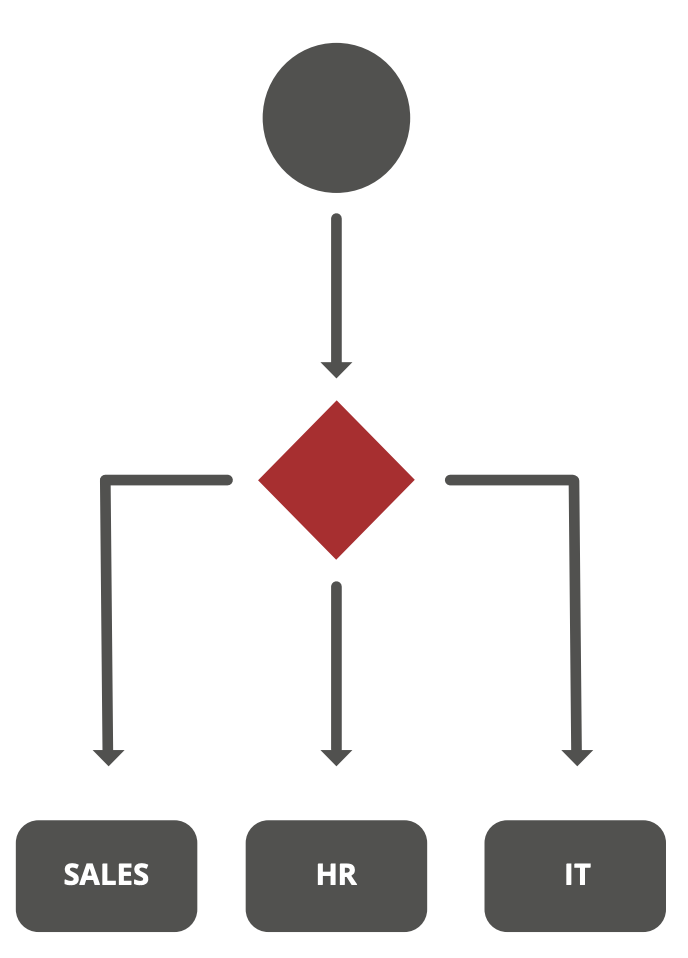
In the second step, all of the company’s business domains (business areas such as sales, HR or IT) are identified. Even from this simple functional perspective, key capabilities for achieving business goals can be recognised without having to go into great detail.
Benefits
- Transparency is created across the company structure.
- The central capabilities and responsibilities of the company are determined with minimal effort via the business domains.
Expert advice:
- Done is better than perfect1: Having the courage to be pragmatic
- Understand your organisation and value creation at the highest level.
- Detach yourself from the organisational chart and focus on the functional section of the organisation.
- Avoid complex domain and capability hierarchies if there is no clear ownership at the lower levels, as this will only emerge with increasing maturity and business-IT alignment.
Done is better than perfect: We cannot emphasise this often enough in contrast to the standard market frameworks. So be prepared for this tip to accompany you throughout the guide.
Capture Application Portfolio
Once the strategies that benefit most from EAM have been identified in the first step and the business domains have been determined in the second step, the next step is to show how the business is supported by IT.
To do this, the application portfolio is determined (e.g. via Excel upload in Bee360) and enriched with the most important core information (e.g. owner, lifecycle ...). Above all, an ‘application owner’ is defined as the single point of contact for each application.
Benefits
- Clear overview of the application landscape
- Transparency across the application landscape enables risks to be recognised and strategic gaps to be identified and closed later (from step 5)
 →
→
Expert advice:
- Done is better than perfect: An incomplete application portfolio is (at least in the beginning) better than none.
- Less is more: High data quality is not characterised by the quantity of data collected, but by its strategic relevance!
- Bonus tip - operation by service teams: By ensuring that each application is operated by a service team, you ensure smooth operation.
Assign Applications to Business Domains
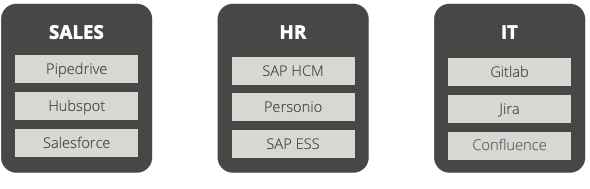
Once the applications have been recorded and assigned to the application owners, they are now assigned to a business domain in coordination with the business. This creates a clear picture of how IT supports the business in creating value.
Benefits
- Transparency is created about how IT solutions directly support the business.
- Basis for targeted application development: Do the applications fulfil the requirements for value creation?
Expertentipp:
- Done is better than perfect: Focus on the high-level localization of the applications in the business context. To do this, it is sufficient to assign a business area (main business purpose) to each application.
- Business-IT-Tandem: In addition to the application owner (step 3), who acts as a single point of contact from the IT organization, each application should also be assigned a responsible person from the business (business application owner). This person helps to identify the main business purpose of the application, for example.
As a tandem, both roles ensure clear responsibilities and less silo thinking:- Application owner: ensures technical stability
- Business application owner: ensures business added value
Capture and Display Relevant Details and Dependencies on a Rolling Basis
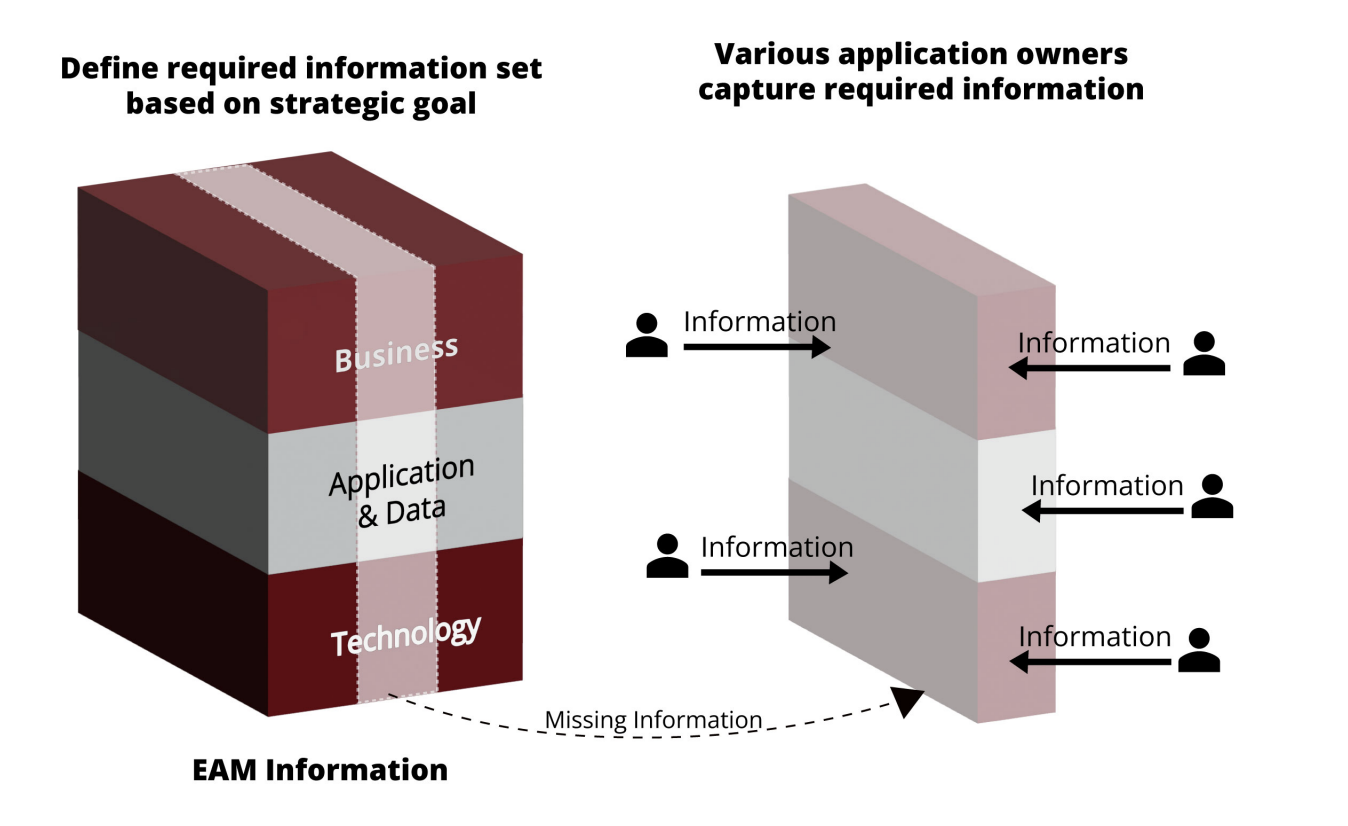
Now that the interplay between applications and value creation has been transparently demonstrated, it is important to keep this information up to date. In addition, the EA data should be enriched with information that is useful for supporting the strategic objectives. This is done in a decentralised manner by the application owners.
Benefits
- Increased Data Quality: As the application owners are directly responsible for updating the data, it is ensured that the data remains accurate and up-to-date and is therefore suitable as a basis for decision-making.
- Ownership: As the application owners are responsible for their applications, the integration of EAM in the organisation is improved.
- Reduced Data Maintenance Effort with Added Value: The clear definition and communication of the recorded data minimises effort and makes data maintenance efficient.
- Since security issues in the past have caused serious reputational damage, the strategic goal is to adhere to compliance and minimise risks.
- What strategically relevant information do we need to achieve this goal?
- Which software libraries are the applications based on?
- From when to when are the applications productive?
- From when to when are the libraries maintained by the manufacturers?
- Result: Overview of all applications that will continue to be used productively beyond the end of maintenance of the underlying software libraries.
Expert advice:
- Stay focused: Only record the data that is relevant to the strategy. This will help you avoid overheads!
- Communicate the purpose of the documentation: If it is clear what the documentation effort is contributing to, the motivation to collect and update the data increases.
- Collect EAM data at intervals with tool support:
- Don’t chase after the information, but work with progress KPIs in a tool.
- Set intervals for updating EAM data and use automated reminders in the tool. At the beginning, you need to have the first data quite quickly (e.g. within a month) - after that, you should ensure that the data is updated in regular cycles (e.g. within a year).
- EAM data maintenance is not a momentum, but a living process: The intervals should not give the impression that there is no need for documentation in the meantime. Also record missing information in daily business (e.g. if new demands arise as a result of the solution design in the demand process, these should also be documented directly.
Evaluate the Collected Data in Terms of Implementing Strategic Goals
EAM must not become an end in itself, but must create added value. It is therefore important to analyse the collected data (reports, dashboards) in order to derive the need for action. Conversely, it is also important to question why data is collected that is not utilised.
Benefits
- The gaps in strategy implementation are identified.
- A (more concrete) target architecture is created.
- Concrete action measures can be derived.
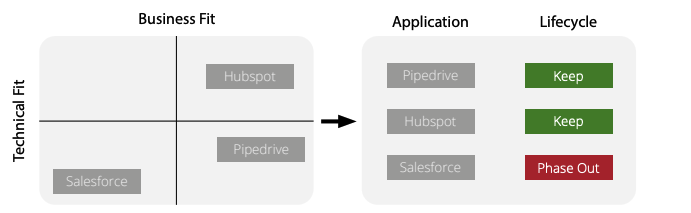
- KPI: Amount of outdated technologies that are still in productive use
- KPI: Amount of applications that do not fulfil the compliance regulations
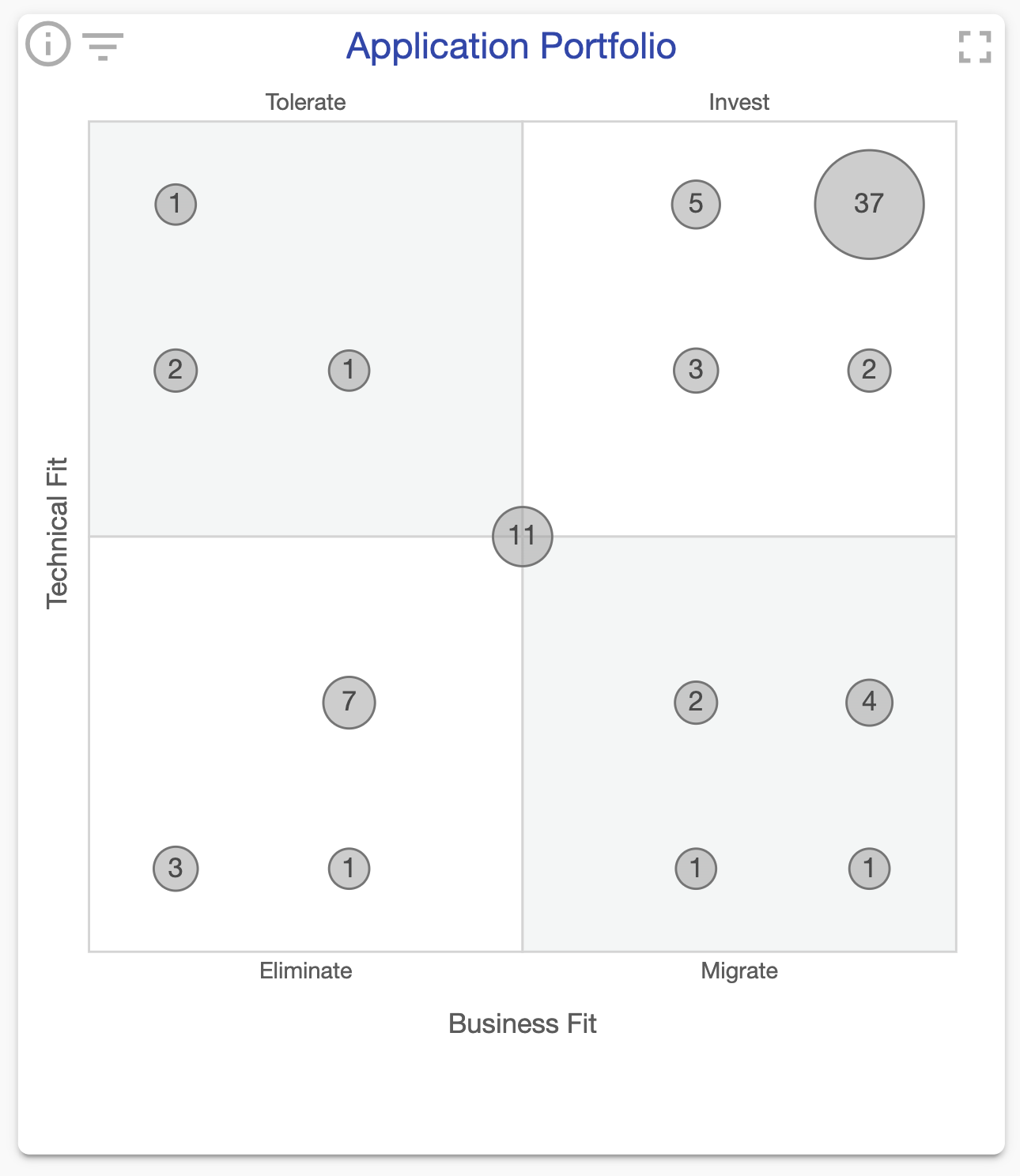
- TIME matrix: Is the architecture healthy?
Expert advice:
- EAM tools offer a comprehensive toolkit for analysing data.
- Be honest: How much EAM can the organisation provide?
- Based on this, deactivate the irrelevant features and data fields.
- Focus on using only useful reports and dashboards.
At Bee360, we intentionally offer a lean EAM that focuses on the real benefits. The competitors’ alternative is an expensive all-you-can-eat buffet that makes conscious eating more difficult and often leads to stomach aches.
CEO, Bee360 GmbH
Ensure Implementation by Integrating the Architects in Key Processes
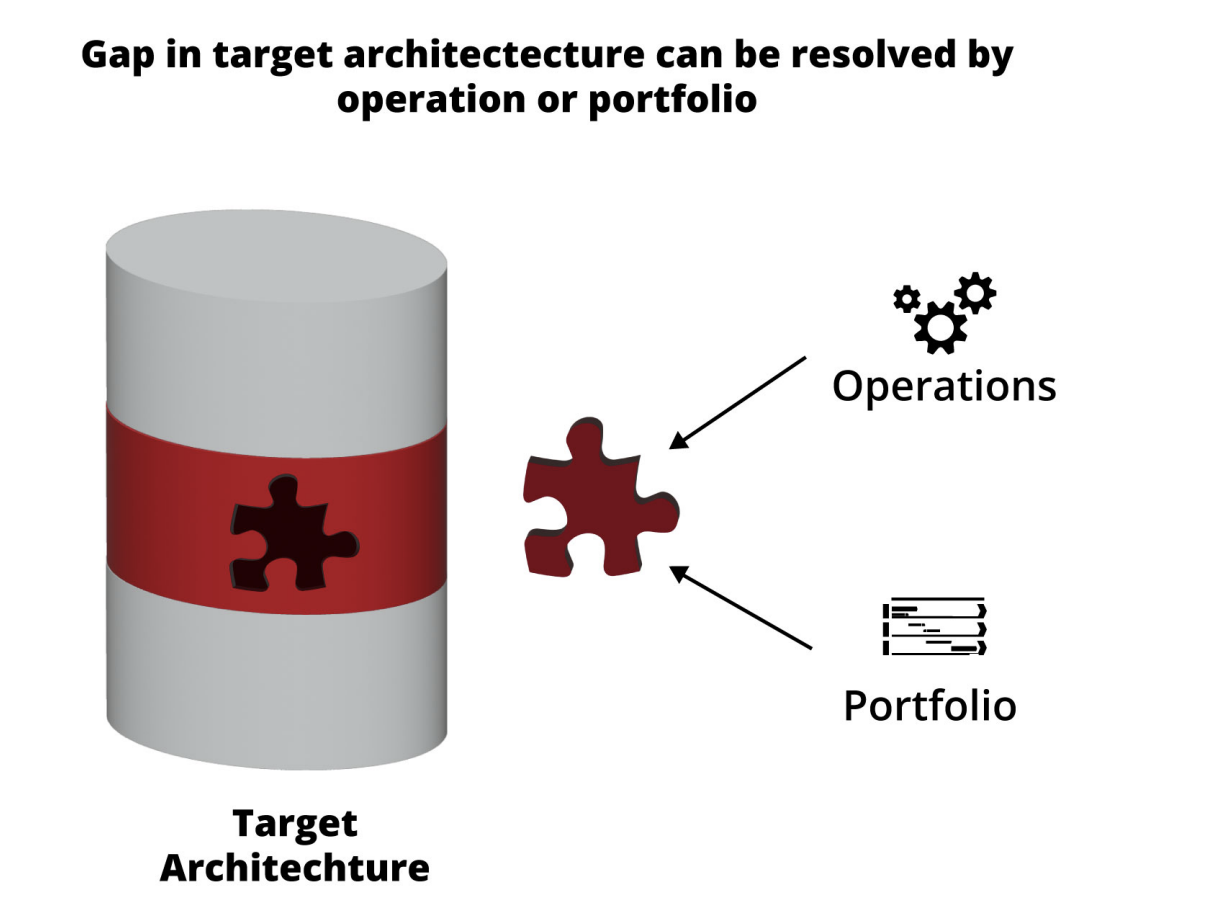
Once the EAM Fast Track has identified the strategic gaps as a basis, it is important to close them (reactive) and ensure that they remain closed (preventive). This is done by involving the architects in portfolio management to ensure that the necessary measures are realised and implemented as planned. It is important to differentiate whether a gap can be closed during ongoing operations or only through a larger project.
Gaps can be closed during Operation (RUN)
- Plan capacities for upcoming critical patches and migrations
- Example: Microsoft SQL Server 2016 will no longer be maintained from 14 July 2026 and is to be migrated to Microsoft SQL Server 2022.
Gaps can only be closed via Major Changes (BUILD)
- Recording the necessary demands and integrating them into the portfolio backlog
- Provision of solutions designs
- What impact do the changes have on the enterprise architecture?
- Which governance guidelines need to be taken into account?
- What effort and budget are required?
- What skills are required?
- Prioritisation and ordering of demands and projects in IT investment decision processes
- Example: Migration from SAP HCM (on-premise) to SAP SuccessFactors (cloud)
To prevent new gaps from arising (unknowingly), the architects should also be integrated into the demand management process.2
Benefits
- Strategic topics are systematically implemented
- Improved decision-making in portfolio and demand management
2 For IT organisations where the bottleneck generally lies in the provision of the necessary resources (financial or capacity) for the run or change part, we have developed rolling planning specially adapted to the requirements of IT organisations. Please do not hesitate to contact us.
Closing architecture gaps through goal-oriented portfolios and operations
Expert Advice:
- Prevention through quality gates: Establishing process-related EAM quality gates to evaluate demands and projects from an architectural perspective has proven to be a good idea. Criteria can be:
- Are standards being met?
- Are we building up technical debt?
- Communicating the added value of quality gates: At first glance, the quality gates slow down the decision-making process, so communicating the added value is crucial: the quality gates ensure that the architecture is not neglected for short-term success (for example, to shorten the time-to-market). In this way, technical debts can be avoided that would be much more costly to eliminate afterwards.
The EAM was at a low level of maturity and not sustainably established. This became very clear when the enterprise architect left our company, the position remained vacant for some time and we realised that no reports had been created and no data had been updated. No added value had been realised, it was a data grave.
Head of EAM, Witt Gruppe
Reflect Strategy Changes in EAM
Strategies and objectives change over time. For this reason, the data basis of the EAM must be regularly reflected upon after its introduction and adapted if necessary. Afterwards, the process starts again from step 5.
Benefits
- Added value instead of a data grave: It is ensured that the EAM continuously adapts to the company’s requirements and thus creates benefits.
- Higher maturity level of the IT organisation: The EAM supports strategic work within the IT organization and builds a bridge to the business strategy.
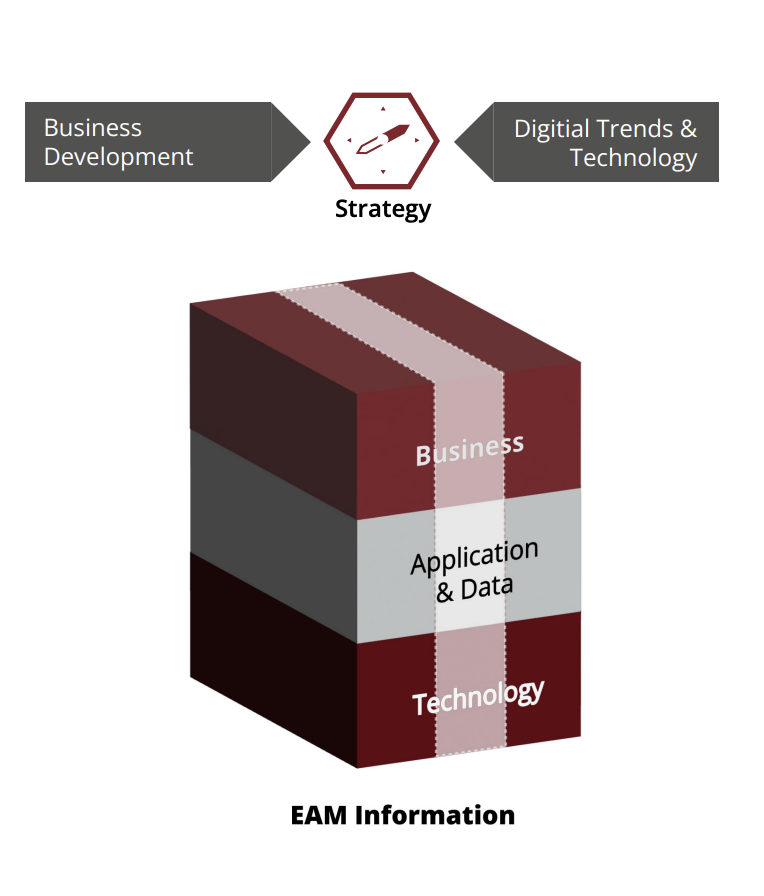
Expert advice: Advantage through architecture
Involve enterprise architects in strategic decisions in an advisory capacity.
- Example growth strategy: An architect can identify which technologies are best suited to the enterprise architecture in terms of strategic goals.
- Example compliance & Governance strategy: An architect can identify which applications and technologies should be modernised.
Conclusion & Outlook
Fast Track makes it possible to introduce EAM quickly and effectively and strengthen business-IT alignment without overburdening the (IT) organization. This is achieved by reducing the scope to a pragmatic minimum that is necessary to provide meaningful support for the IT strategy. As a result, the EAM is implemented quickly and generates positive momentum through the added value it generates.
For organizations at a certain level of maturity, it makes sense to further develop EAM on the basis of this momentum, although this should never be an end in itself: EAM is work and should only be operated and further developed if there is a valid need for it. It is therefore important to select a methodology and a platform that allows the IT organization to start with EAM in a lightweight way and to develop it further as required. With Bee360, you can ensure this.
Why Bee360 is the Right Choice to (re)start your EAM Journey
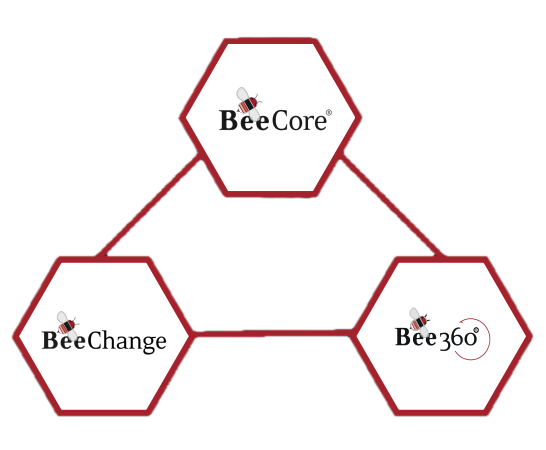
The successful introduction of EAM is not just about finding the right methodology and a valid business case. Other parameters - which Bee360 offers as your partner - are also crucial. In addition to the BeeCore steering model, these include its implementation in our Bee360 platform as well as comprehensive support for the changes and the enablement of the organisation via BeeChange.
BeeCore – Steering Model
- Synergies: Our EAM (Fast Track) stands independently and is integrated into our holistic Steering Model BeeCore. This means it can be intelligently combined with processes from other areas (IT Financial Management, Strategic Portfolio Management), thereby maximising its impact.
- Scalability: The Steering Model is structured in a way that it is immediately applicable to the existing IT maturity level and accelerates the development of the desired target operating model.
- Pragmatism: Less is more. As this guide has shown, we deliberately focus on lean but effective approaches. We optimise the cost-benefit ratio by intelligently integrating what we have developed with other areas (e.g. the integration of EAM into demand management).
Bee360 – Enterprise SaaS Platform
- Single Point of Truth: Bee360 as a central data source (not just for EAM) avoids data breaches and ensures the accuracy of information.
- Empowerment & Efficiency: By mapping our Steering Model in workflows, employees at all levels can actively contribute and make decisions as required.
- Flexibility: Existing applications can be replaced or integrated via interfaces. You decide!
BeeChange – Coaching & Change
- Enablement of the IT Organisation: We train your organisation in the EAM methodology according to its prior knowledge. It is also possible to start without a dedicated architect. If required, interim architects from our partners can also be provided.
- Business and IT Alignment: We build a bridge to business using terminology suitable for the board and know the key tricks for winning over the specialist area for collaboration.
- Proof of Effectiveness: You can track adoption in your organisation at any time using suitable KPIs. This ensures that the concepts are also effectively implemented in the steering model.
About the Authors

Vincent Jaenisch
Holistic Management Advisor Bee360
expand_more
Vincent Jaenisch
Holistic Management Advisor Bee360

Viet Duc Le
Product Manager Enterprise Architecture Management Bee360
expand_more
Viet Duc Le
Product Manager Enterprise Architecture Management Bee360
Quellen
cio.com, 2022: https://www.cio.com/article/222421/what-is-enterprise-architecture-a-framework-for-transformation.html
McKinsey, 2025: https://reports.weforum.org/docs/WEF_Resilience_Pulse_Check_2025.pdf